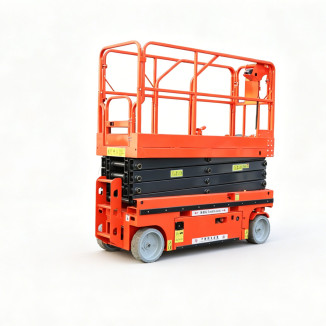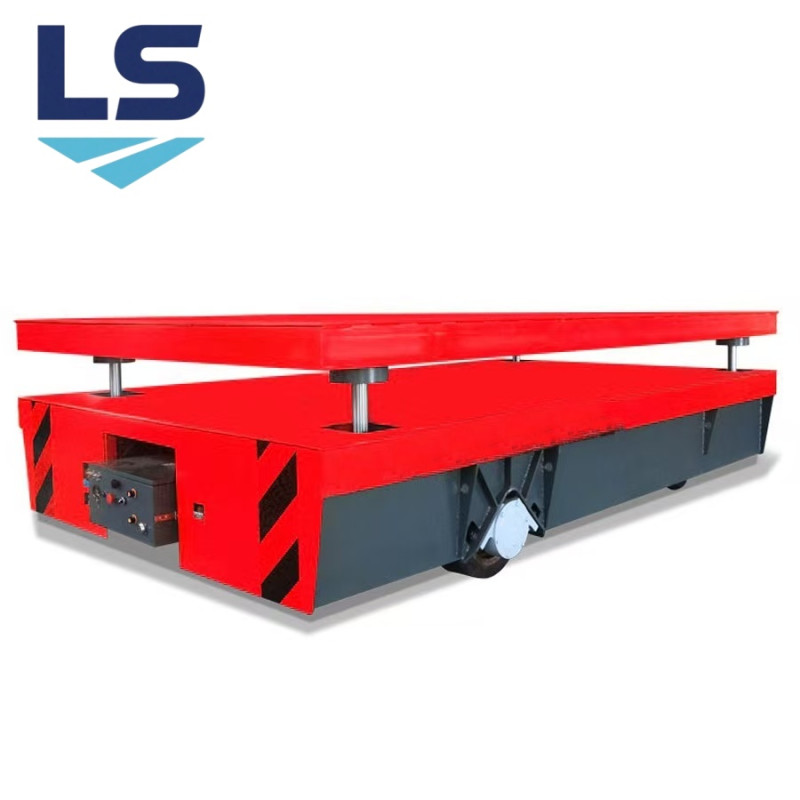
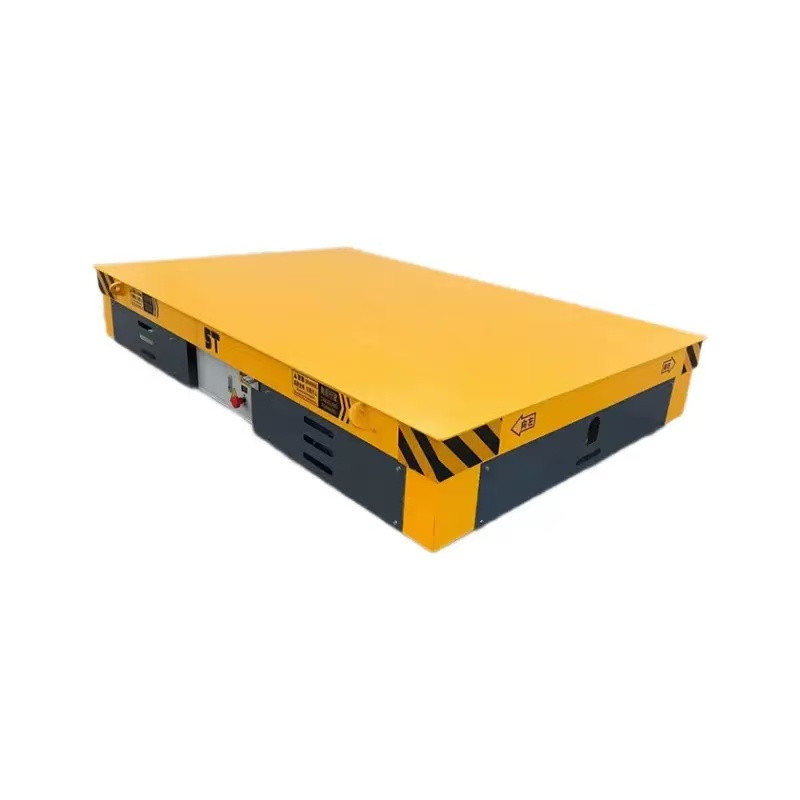
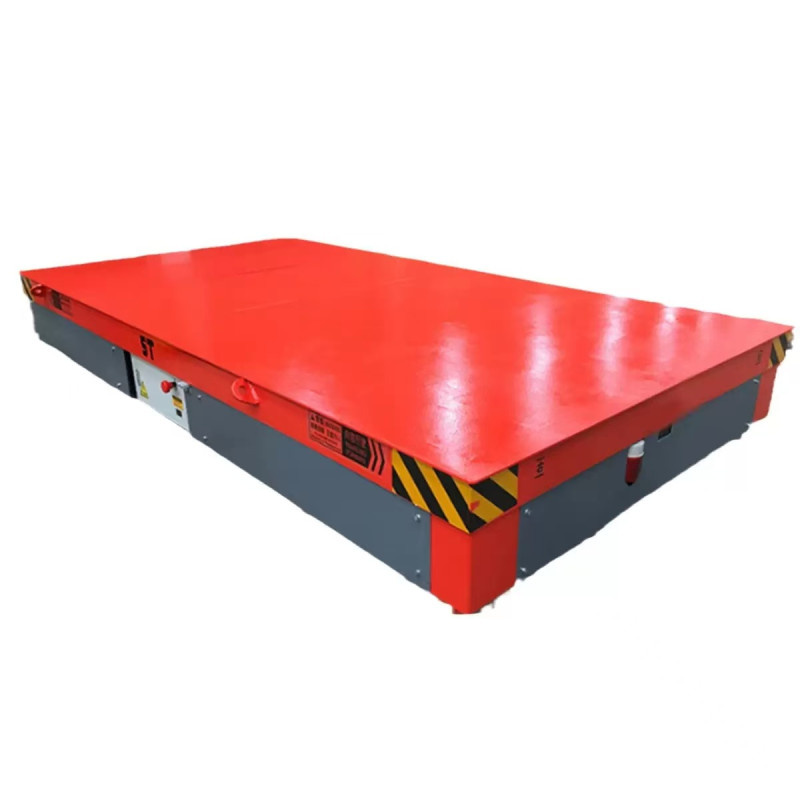
Best Transfer Trolley
1.High Load-Bearing Capacity & Sturdy Construction
High-strength thickened steel frame with optimized load distribution ensures strong bearing capacity and sturdiness, no deformation during heavy-duty transportation.
2.Flexible Movement & Maneuverability
High-sensitivity steering system enables flexible movement and easy maneuvering, smooth shuttling in narrow passages and tight corners of industrial sites.
3.Diverse Power Options for Versatile Use
Offers electric and fuel power options, electric for low-noise indoor operation, fuel for high-power outdoor heavy-duty work, adapting to diverse scenarios.
4.Intelligent Control & Safety Assurance
Equipped with humanized intelligent control system, integrated with overload alarm, emergency brake for all-round operational safety assurance.
5.Low Maintenance & Long Service Life
Product Introduction
This series of industrial transfer vehicles focuses on the core material handling needs of enterprises, creating professional transfer equipment that is robust, flexible, efficient, safe and reliable. With diverse power configurations, intelligent control designs and low maintenance features, they can be widely used in the transfer of various materials such as workpieces in factory areas, goods in warehouses, and engineering building materials. They can easily handle different indoor and outdoor working environments and significantly improve the efficiency of material circulation. Reducing the operating costs of enterprises is a practical handling tool in industrial production
1.Strong load-bearing capacity and stable transportation, structural durability: High-load load-bearing design, thickened steel frame, no deformation during heavy-load transportation, and smoother driving
2.Flexible steering, all-domain smooth operation: High-precision steering mechanism enables flexible passage through narrow passages and complex corners, suitable for multi-site operations.
3. Multi-source power, choose as needed: Electric/fuel and other power versions are available, balancing low noise and energy conservation indoors with strong outdoor endurance.
4 Safety intelligent control, convenient operation: Integrated with multiple safety protection devices, the control system is simple and easy to understand, and even beginners can quickly get started.
5. Durable and easy to maintain, worry-free operation: High wear-resistant core components, modular structure design, simple daily maintenance, and long-lasting equipment

Product Classification
1.By operation scale: small transfer vehicles, medium-sized transfer vehicles, and large transfer vehicles. The small-sized model is flexible and lightweight, suitable for short-distance transportation of small batches of scattered materials. The medium-sized model is balanced and practical, meeting the needs of regular workpiece and goods transfer in the factory area. The large-sized model is heavy-duty and strong load-bearing, capable of carrying heavy materials such as large equipment and engineering building materials.
2. Classified by material characteristics: general-purpose material transfer vehicles, special-shaped parts transfer vehicles, and consumable parts transfer vehicles. The universal version is compatible with all kinds of conventional materials. Customized load-bearing countertop for irregular-shaped parts, suitable for loading and unloading large irregular-shaped workpieces. The vulnerable parts are equipped with shock-absorbing and protective structures to prevent damage to precision parts and fragile items during transportation.
3. Classified by usage frequency: low-frequency simple model, mid-frequency standard model, high-frequency durable model. The low-frequency model is economical and practical, suitable for small-scale and low-frequency transportation. The mid-frequency model has balanced performance and meets the requirements of daily routine operations. The high-frequency model is equipped with upgraded wear-resistant accessories and reinforced structure, making it suitable for 24-hour continuous high-frequency transportation
Product Application
1.Processing and manufacturing workshop: Suitable for mechanical processing, automotive manufacturing, hardware accessories and other production workshops, it can complete the transfer of semi-finished products, finished products and production raw materials between workstations, adapt to the rhythm of assembly line operations, and improve the production flow efficiency of the workshop.
2. In the field of warehousing and logistics: It is used in e-commerce warehousing, industrial warehouses, and logistics distribution centers to achieve short-distance transfer of goods from shelves, storage areas to loading and unloading areas. The compact body is suitable for narrow warehouse lanes and can be flexibly connected with forklifts, shelves and other warehousing equipment.
3. Construction sites: It is suitable for construction sites such as civil engineering, municipal engineering, and industrial park construction. It can complete the on-site transportation of building materials such as steel bars, cement, pipes, and small construction equipment. It is wear-resistant and durable, and can adapt to the complex ground conditions of construction sites.
4. Port cargo terminal: In coordination with the loading and unloading operations of ports and freight stations, it enables on-site barge transportation of container parts, loose cargo, and short-distance transfers. It features strong power and stable load capacity, meeting the high-frequency and heavy-load operation requirements of ports.
FAQ
1.When a fuel transfer vehicle is in operation and has insufficient power and slow acceleration, how should it be handled after ruling out the fuel system problem?
First, check if the air filter is too dirty and clogged. Replace it with a new one to ensure sufficient air intake. Check again if the clutch is slipping, adjust the clutch clearance, and replace the friction plates if they are severely worn. Finally, check if the exhaust pipe is clogged with carbon deposits. Clear the carbon deposits to ensure smooth exhaust and restore power output
2.How can we troubleshoot and solve the problem when the transfer vehicle gets stuck or does not turn smoothly?
First, check whether the ball joint of the steering tie rod and the bearing are dry and lack oil, and add special grease. Check again if there are any foreign objects stuck in the steering mechanism. After clearing the debris, inspect whether the pull rod is deformed. If it is slightly deformed, straighten it; if it is severely deformed, replace it in time to ensure smooth steering.
3.What could be the reason for an electric transfer vehicle suddenly losing power while in operation and then returning to normal after restarting?
This is mostly caused by poor or loose contact in the circuits. Focus on checking whether the battery terminals and the main line harness joints of the vehicle body are oxidized or loose. Clean the oxide layer and tighten the joints. At the same time, check if the fuses are not in good contact. Replace the aged fuses and fix the circuits properly.
4.If the connection between the load-bearing panel and the frame of the transfer vehicle becomes loose or makes abnormal noises, how should it be handled?
First, tighten all the fixing bolts between the panel and the frame. Replace the bolts that are severely loose and install anti-slip gaskets. If the weld seam cracks, first grind the cracked area clean, then re-weld and reinforce it. After welding, do a good job of anti-rust treatment to avoid loosening and abnormal noise again in the future
5.The indicator light of the electric transfer vehicle charger is flashing and it cannot charge normally. After troubleshooting the charger, what should be solved?
First, check if the charging interface is loose or if there are any foreign objects inside. Clear the debris from the interface and tighten the contact spring pieces. Check again whether there is any damage to a single battery or uneven voltage in the battery pack. After troubleshooting with a detector, replace the faulty battery. Finally, check if the charging line is open-circuited. Repair or replace the damaged line and you can charge normally.