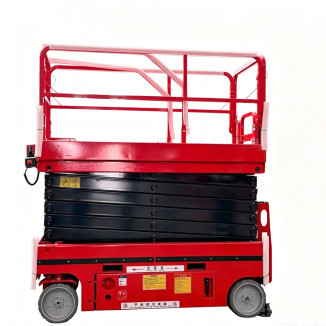
Loading Ramp: Premium Container Loading Ramp & Warehouse Loading Ramp for Global Logistics
Loading Ramp | Container Loading Ramp & Warehouse Loading Ramp 2026
High-quality loading ramp, container loading ramp and warehouse loading ramp. Explore 2026 market trends, technical specs and B2B procurement guidance.
1. Global Industry Background & 2026 Market Statistics
1.1 Industry Development and Core Application Value
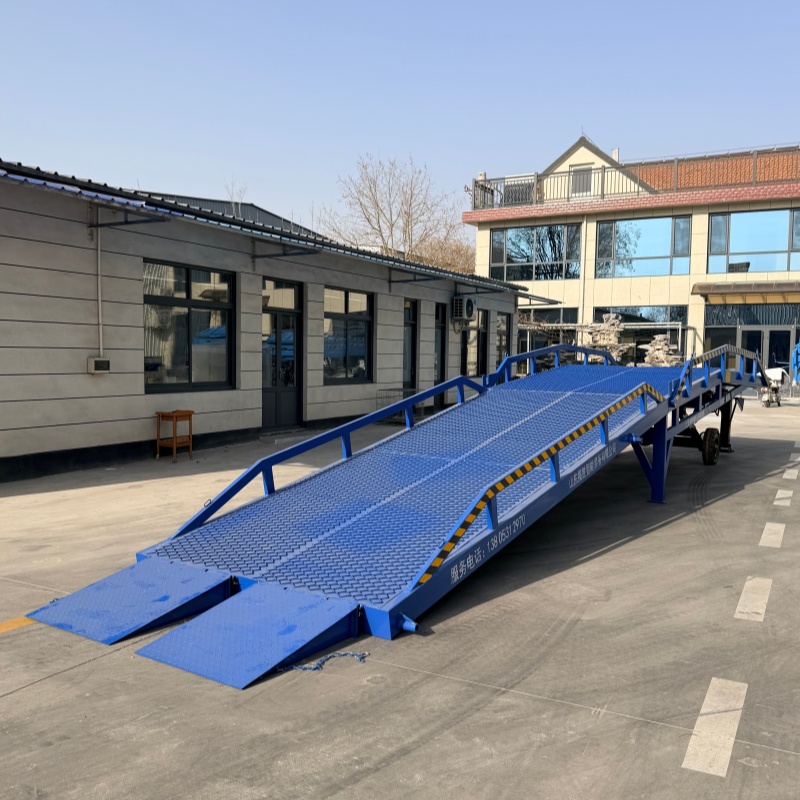
The global expansion of cross-border e-commerce, container shipping and intelligent warehousing has driven continuous upgrading of cargo handling infrastructure. As essential flexible logistics equipment, the loading ramp, professional container loading ramp and dedicated warehouse loading ramp solve the core pain point of height differences between containers, trucks and ground platforms. Unlike fixed dock levellers that require civil construction and fixed installation, modern loading ramp products support rapid deployment, free movement and zero foundation use, perfectly matching the asset-light operation mode of global logistics companies, warehouse operators and freight terminal enterprises.
Different models serve refined scenarios: the warehouse loading ramp is optimized for high-frequency indoor and outdoor warehouse turnover, adapting to daily pallet and boxed goods loading and unloading; the container loading ramp is structurally reinforced for standard container docking, enabling safe forklift access inside shipping containers; the universal loading ramp covers diversified temporary freight yard scenarios. The complementary application of the three types has become the standard configuration of modern standardized logistics warehouses worldwide.
1.2 Authoritative 2026 Market Data and Growth Trends
According to 2026 global logistics equipment industry research data, the global loading ramp market reached USD 2.54 billion in 2025 and is projected to grow to USD 2.71 billion in 2026, with a steady year-on-year growth rate of 6.48%. The market is expected to maintain a CAGR of over 5.4% in the next five years, benefiting from global warehouse renovation and container freight volume growth. The container loading ramp segment maintains a higher growth rate than the industry average, driven by booming international container transit business, while the warehouse loading ramp segment steadily occupies the largest market share due to widespread warehouse renewal demands.
Regionally, Asia-Pacific dominates global production and export volume with complete industrial chains and cost advantages. European and American markets focus on high-standard, safety-certified loading ramp products with strict environmental and workplace safety requirements. Emerging markets in Southeast Asia, Latin America and the Middle East continue to release incremental demand for cost-effective warehouse loading ramp and heavy-duty container loading ramp, promoting continuous market segmentation and product iteration.
2. 2026 Core Industry Development Trends
2.1 Scenario-Based Refined Customization
The industry is shifting from universal general-purpose equipment to scenario-based customized solutions. Standard loading ramp can no longer meet refined operational demands. Professional manufacturers design targeted parameters for different usage environments: warehouse loading ramp adopts compact and low-noise structures suitable for closed warehouse environments; container loading ramp strengthens load-bearing beams and anti-slip performance to adapt to heavy-load container operation; customized size models solve space limitations of narrow warehouse passages and small freight yards.
2.2 Safety Compliance and Standardization Upgrading
Global workplace safety supervision standards are increasingly stringent. Export-grade loading ramp, container loading ramp and warehouse loading ramp must pass CE mechanical safety certification and ISO9001 quality certification. Dynamic load testing, anti-tilt protection, anti-slip platform design and safety chain locking devices have become mandatory standard configurations. Non-compliant products face customs clearance risks and cannot be put into legal operation in European and American markets, making safety compliance the core threshold for B2B procurement.
2.3 Low-Maintenance and Durability Iteration
Global buyers are paying more attention to total life cycle cost rather than single purchase price. New-generation loading ramp products adopt shot blasting rust removal and multi-layer anti-corrosion spraying technology, effectively extending service life in humid, rainy and coastal environments. Optimized hydraulic components reduce failure rates and daily maintenance costs, which is highly favored by warehouse chain enterprises and long-term rental fleet buyers.
Naturally integrated long-tail keywords: heavy-duty container loading ramp for port freight yards, compact warehouse loading ramp for indoor logistics, CE certified hydraulic loading ramp for global export, anti-corrosion loading ramp for outdoor container operation.
3. Product Technical Specifications, Structure and Manufacturing Process
3.1 Core Structural and Parameter Advantages
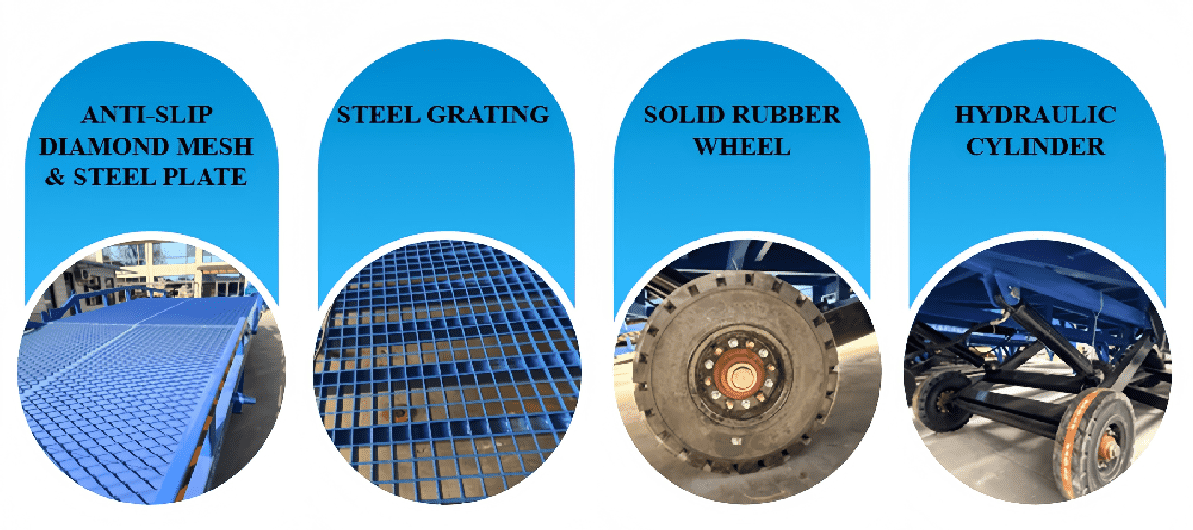
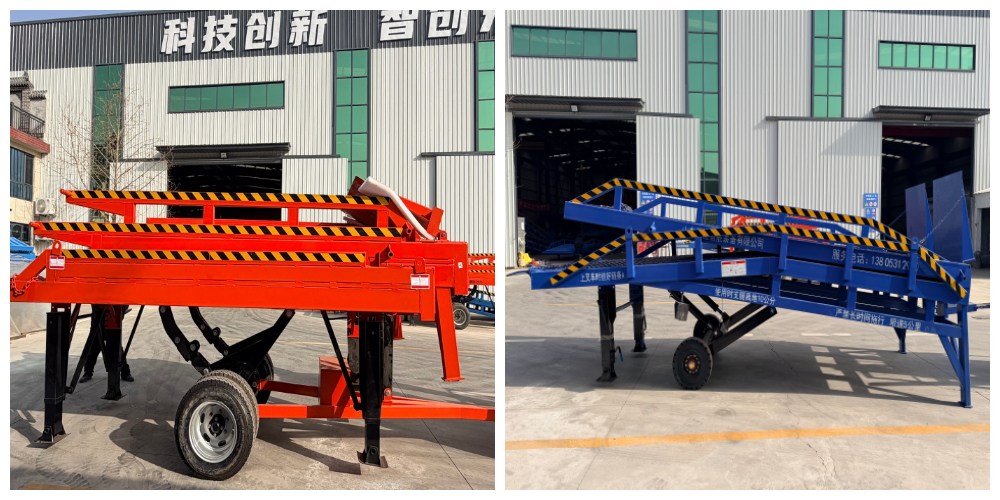
High-quality loading ramp series products adopt high-strength manganese steel integrated welding structure, with strong dynamic load resistance and structural stability. The warehouse loading ramp features lightweight optimization and flexible moving wheels, convenient for frequent position adjustment in narrow warehouse spaces, with a conventional load range of 6–10 tons. The container loading ramp adopts thickened main beam reinforcement design, with a load range of 10–20 tons, specially used for heavy cargo handling inside standard shipping containers.
All loading ramp products are equipped with serrated anti-slip grating platforms, which realize real-time drainage and anti-slip protection to prevent forklift slipping in rainy and humid weather. The electric hydraulic lifting system supports stepless height adjustment from 900mm to 1700mm, fully matching the height difference of various trucks and standard containers, ensuring smooth and safe forklift passage.
3.2 Standard Manufacturing and Quality Control Workflow
Formal export loading ramp follows standardized industrial production procedures. First, CNC precision cutting and bending ensure accurate component dimensions. Second, robotic full penetration welding eliminates structural gaps and improves overall stability. Third, shot blasting rust removal and multi-layer industrial anti-rust spraying are carried out to enhance outdoor environmental adaptability. Fourth, hydraulic systems and safety protection devices are assembled and debugged repeatedly. Finally, each finished warehouse loading ramp and container loading ramp undergoes full-load dynamic testing, tilt prevention inspection and hydraulic aging testing to eliminate hidden safety hazards before delivery.
3.3 On-Site Application Process
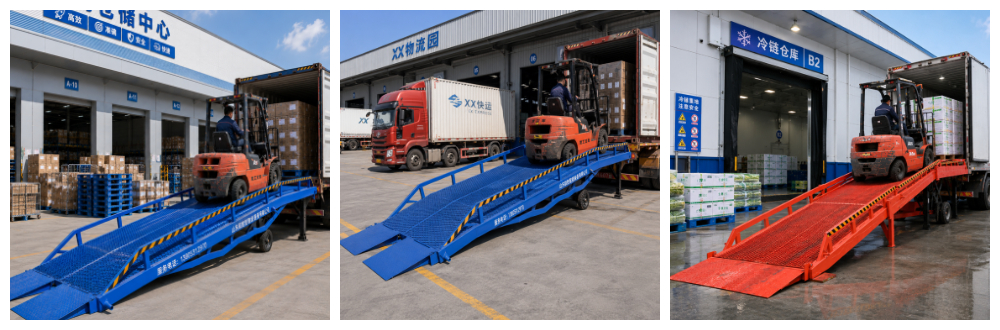
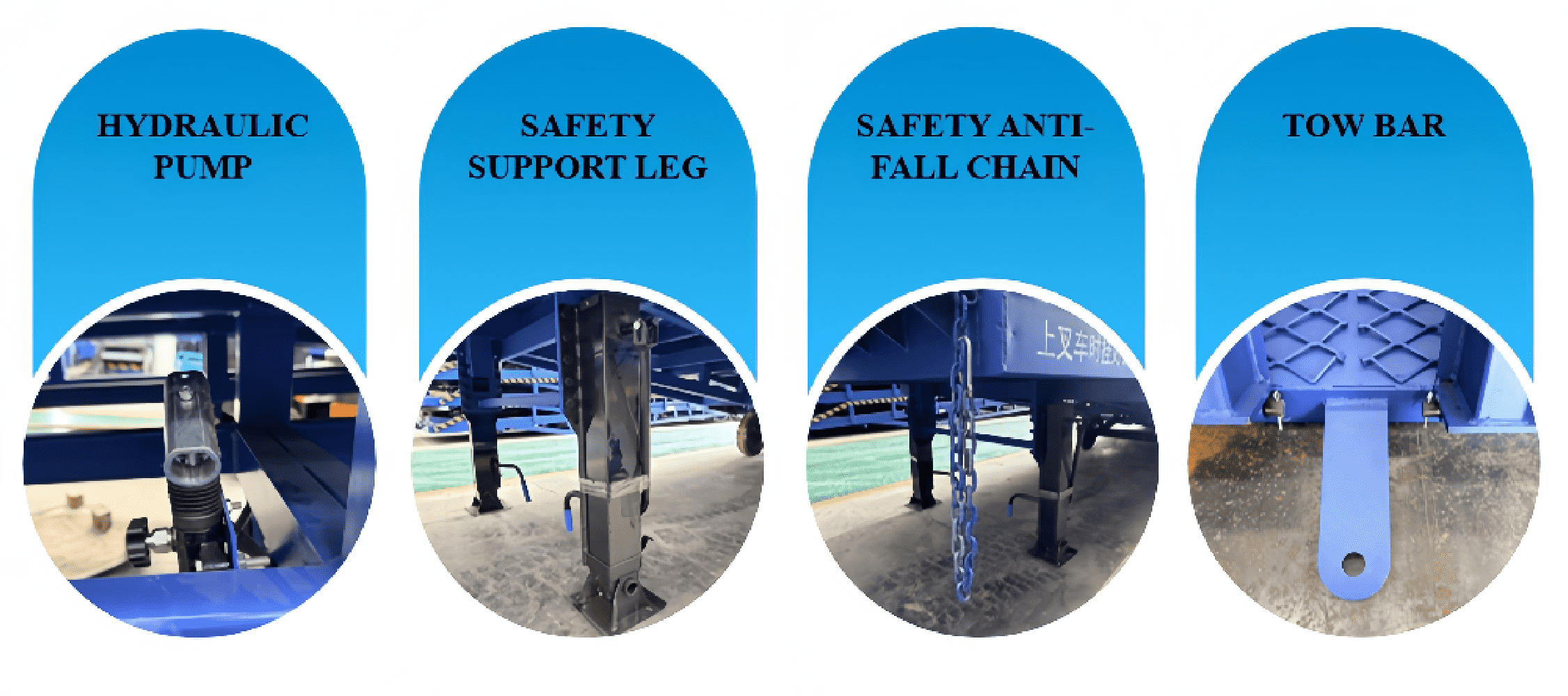
The operation of loading ramp is simple and efficient without professional installation. Operators push the equipment to the docking position of containers or trucks, lower the safety support legs for stable fixation, fasten anti-displacement safety chains, and adjust hydraulic height to level the platform with the container or carriage floor. After confirmation, forklifts and pallet trucks can freely pass through the loading ramp to complete batch loading and unloading. After operation, reset the height and retract the support legs for free transfer and storage, greatly improving logistics turnover efficiency.
4. International B2B Buyers’ Procurement Preferences and Pain Points
4.1 Core Procurement Preferences
Global professional B2B buyers select loading ramp products based on scenario matching. Warehouse operators prioritize compact size, low noise and flexible movement; port and terminal buyers focus on heavy load capacity, structural stability and anti-corrosion performance of container loading ramp; distributors pay more attention to complete certification documents, stable batch quality and standardized after-sales service to support long-term market sales.
4.2 Common Cross-Border Procurement Pain Points
Many overseas buyers face typical sourcing problems. Some suppliers confuse static load with dynamic load parameters, resulting in insufficient actual bearing capacity and structural deformation during forklift operation. Mismatched product models lead to inability to adapt to warehouse narrow spaces or heavy container operation scenarios. In addition, incomplete certification documents cause customs clearance delays, and inferior anti-rust treatment leads to rapid equipment aging in harsh environments.
5. Frequently Asked Questions for Global B2B Buyers
Q1: What is the difference between warehouse loading ramp and container loading ramp?
A warehouse loading ramp is compact and flexible, designed for medium and light cargo turnover in indoor and outdoor warehouse scenarios, focusing on flexible movement and space saving. A container loading ramp adopts reinforced heavy-duty structure, with higher load redundancy and more stable slope design, specially suitable for heavy-load docking and forklift entry operation of standard shipping containers.
Q2: How to choose the correct tonnage for loading ramp?
Buyers should select tonnage according to the total dynamic load of forklift plus maximum cargo weight, and reserve 20% safety redundancy. 6–10 ton models are suitable for daily warehouse logistics, while 10–20 ton heavy-duty container loading ramp is recommended for port and container terminal heavy cargo operation.
Q3: What certifications are required for exporting to Europe and America?
Formal export loading ramp, container loading ramp and warehouse loading ramp need CE machinery safety certification and ISO9001 quality certification, together with factory full-load test reports and multi-language operation manuals, to ensure smooth customs clearance and compliance with local workplace safety regulations.
Q4: Can loading ramp products be customized for special scenarios?
Yes. Professional manufacturers support personalized customization of platform size, load capacity, lifting height and anti-corrosion treatment. Customized solutions can perfectly adapt to narrow warehouse passages, coastal humid environments and special height difference working conditions.
6. Professional B2B Call to Action
We are a specialized manufacturer and exporter of high-performance loading ramp, container loading ramp and warehouse loading ramp, providing standardized and customized logistics handling solutions for global distributors, warehouse enterprises and port terminal operators. All products adopt high-strength steel structure and upgraded hydraulic systems, with stable load performance, complete safety configurations and strong environmental adaptability.
We provide one-stop B2B supporting services including free technical parameter documents, product sample verification, personalized scheme design, bulk preferential quotations and global after-sales technical support. Whether you need standard warehouse loading ramp wholesale or heavy-duty customized container loading ramp, our professional foreign trade and engineering team can provide accurate and cost-effective procurement solutions.
Contact us today to obtain the latest 2026 product catalog, real-time wholesale quotation and professional logistics efficiency optimization suggestions to upgrade your cargo handling capacity and reduce long-term operational costs