How to Select the Right Mobile Hydraulic Scissor Lift?
1. Industry Background: Proper Scissor Lift Directly Improves Operational Profit

2. Comparison & Applicable Scenarios of Three Mainstream Mobile Electric Scissor Lift
2.1 Standard Wheel Scissor Lift (Indoor Standard Hydraulic Lift Table)
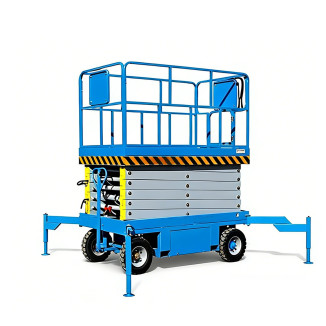
The standard wheel-type electric scissor lift is the best-selling basic version of hydraulic lift table. It is equipped with non-marking solid rubber tires, fully electric hydraulic drive, zero exhaust and low noise. The compact and lightweight body with foldable guardrails can easily pass through narrow warehouse doors and freight elevators.
The whole machine relies on mature hydraulic transmission system to finish lifting movements. Scissor arms are welded with manganese steel, and complete safety devices including overload protection, power-off emergency lowering and anti-tilt alarm are equipped as standard. Standard scissor lift covers lifting heights from 6m to 12m and load capacities from 300kg to 500kg. No civil construction installation is required, and it can be put into use right after being moved to the working area.
Applicable Scenarios: Warehouse rack sorting, mall lighting maintenance, pharmaceutical & electronic factory upkeep, office building renovation, indoor exhibition setup and other flat hardened ground. Ideal for enterprises with long-term indoor operations, strict ground protection requirements and narrow site aisles.
Core Advantages: Low procurement cost, low energy consumption, easy maintenance, compact and flexible body. It is the most cost-effective hydraulic lift table for indoor applications.

2.2 Tracked Scissor Lift (Electric Scissor Lift for Complex Soft Ground)
The tracked electric scissor lift replaces traditional tires with widened rubber tracks, which greatly expand contact area and minimize ground pressure. It will not crack floor tiles, lawns or asphalt roads. Independent hydraulic track drive delivers a maximum climbing gradient of 40%, enabling smooth travel on sand, mud and damp construction sites. Fitted with self-leveling outriggers, it maintains a horizontal platform even on slightly sloped ground.
- Applicable Scenarios: Landscape tree pruning, golf course maintenance, post-rain construction sites, tunnel pipeline installation, hillside villa exterior renovation, marble & tile decoration sites. It is the top choice for projects requiring both outdoor operation and intact ground protection.
- Core Advantages: Strong obstacle-crossing performance, ground-friendly, dual-purpose for indoor and outdoor use. It solves slipping, sinking and floor scratching problems of ordinary wheel-type scissor lift.

2.3 Rough-Terrain Scissor Lift (Heavy-Duty Hydraulic Lift Table for Harsh Construction Sites)
The rough-terrain electric scissor lift is designed for heavy outdoor infrastructure. It is fitted with deep-tread heavy-duty inflatable tires, 4-wheel drive and high ground clearance, together with extended reinforced hydraulic outriggers. It can operate stably on bumpy gravel, muddy wasteland and unhardened construction sites. Power options include high-power electric or diesel hybrid, delivering much stronger endurance and traction than the other two types of scissor lift.
Applicable Scenarios: Large factory steel structure erection, photovoltaic power station installation, road & bridge infrastructure, mine factory maintenance, remote field engineering. Suitable for long-term outdoor heavy aerial work on rugged, unhardened ground.
Core Advantages: 4WD strong traction, heavy load & high lifting height, stable all-weather operation on harsh construction sites. It is the mainstream hydraulic lift table for bulk procurement by large engineering contractors.

3. Complete Selection Logic: 3 Steps to Confirm the Suitable Hydraulic Lift Table
3.1 Step 1: Select Scissor Lift Chassis Type According to Site Ground Condition
Ground condition is the core standard to distinguish the three kinds of electric scissor lift:
Flat indoor epoxy, tile or cement ground → Standard wheel-type scissor lift
Mud, lawn, polished floor tile or mild complex outdoor ground → Tracked hydraulic lift table
Gravel wasteland, large infrastructure or long-term outdoor heavy-duty construction → Rough-terrain electric scissor lift
3.2 Step 2: Calculate Lifting Height & Load Capacity with 20% Safety Margin Reserved
3.3 Step 3: Check Material, Hydraulic System & Safety Configurations to Judge Equipment Quality
High-quality electric scissor lift adopts Q345 manganese steel scissor arms with automatic welding and non-destructive flaw detection. The hydraulic system is equipped with import-sealed oil cylinders to eliminate lifting shake and oil leakage. Complete protections including emergency stop, emergency lowering, anti-tilt and overload prevention are all standard fittings. Cheap inferior scissor lift uses thin steel and low-grade hydraulic accessories, prone to deformation and oil leakage during long-term operation, bringing severe hidden dangers for aerial work safety.


4. New Global Scissor Lift Procurement Trends in 2026
Full electrification popularization: Tightening global environmental regulations accelerate replacement of diesel models by zero-emission electric scissor lift. Orders of indoor & outdoor dual-purpose hydraulic lift table keep rising.
Growing demand for customized segmented products: Custom standard scissor lifts for narrow aisles, explosion-proof workshops and low-temperature cold storage, mini tracked scissor lifts for landscaping and extra-heavy rough-terrain scissor lifts see year-on-year order growth.
Intelligent safety configurations become standard: New-generation scissor lift is equipped with self-fault diagnosis and remote monitoring systems. Compliance with EU CE and US OSHA safety standards has become a mandatory procurement requirement for overseas B2B buyers.
5. Frequently Asked Procurement Questions
Q1: Which Electric Scissor Lift fits indoor warehouse plus occasional outdoor lawn maintenance?
Q2: Can rough-terrain Scissor Lift be used on indoor epoxy floors?
Q3: Does tracked Hydraulic Lift Table have weaker climbing capacity than rough-terrain models?
Q4: How to choose for small factories with limited budget only for indoor cargo lifting?
6. Conclusion & Procurement CTA
In summary, when picking a suitable mobile hydraulic scissor lift, your first priority is to distinguish standard, tracked and rough-terrain scissor lift based on site ground conditions, instead of simply comparing lifting height and load capacity. Then confirm specific models combined with lifting demands, budget and service frequency. Meanwhile, strictly verify steel craftsmanship, hydraulic system and full safety protections to avoid mismatched equipment, frequent repairs and safety hazards.