What You Must Know Before Purchasing Scissor Lifts
Complete Guide to Buying Scissor Lifts | How to Select Electric Scissor Lifts & Hydraulic Lift Tables
Analyze core specs, manufacturing processes & global procurement trends of scissor lifts, help overseas B2B buyers avoid selection pitfalls for warehouse, construction & other working scenarios.
1. Industry Background: Scissor Lifts Have Become a Global Industrial Necessity
With the continuous expansion of global warehousing & distribution, factory manufacturing, municipal maintenance and photovoltaic infrastructure sectors, standardized demands for aerial maintenance and vertical cargo lifting are surging. Traditional scaffolding and simple ladders feature low safety performance and poor work efficiency, failing to meet strict workshop safety regulations such as OSHA and EU CE standards. An increasing number of overseas enterprises replace outdated tools with standardized lifting equipment, making scissor lifts, electric self-propelled scissor lifts and industrial hydraulic lift tables core products for global B2B procurement.
2026 industrial research data shows the global scissor lift market reached $3.51 billion in 2025, and is projected to hit $4.92 billion by 2031, with a CAGR of 5.78% from 2026 to 2031. Fully electric scissor lifts lead the growth with a segment CAGR of 6.15%; their zero-emission, low-noise indoor performance aligns with global carbon neutrality policies, driving year-on-year growth in purchasing volume.
While cooperating with buyers from Southeast Asia, Europe, America and the Middle East, we found over 65% of first-time purchasers fall into common traps: they only compare low prices while ignoring load safety margins, hydraulic component quality, safety certifications and site adaptability. Cheap, mismatched scissor lifts and hydraulic tables often suffer from main beam deformation, lifting shaking and overload breakdowns, raising long-term maintenance costs and safety hazards.
Mainstream scissor equipment falls into two categories: self-propelled electric scissor lifts and stationary hydraulic lift tables. Mastering working condition matching, hardware parameters and compliance certifications before purchase ensures you select lifting equipment tailored to your projects.
2. Four Core Selection Criteria for Scissor Lift Procurement
2.1 Basic Working Condition Parameters: Reserve 20% Safety Margin for Lifting Height & Load Capacity
Lifting height and rated load are the basic benchmarks for selecting electric scissor lifts and hydraulic lift tables, and the most frequent source of wrong selection.
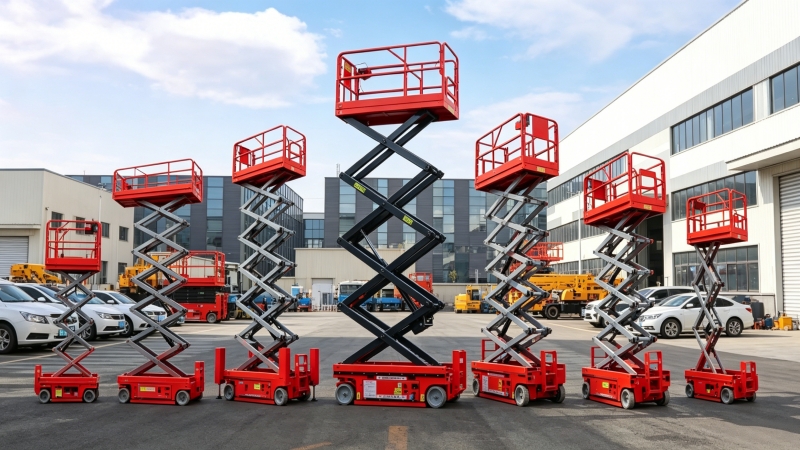
Universal industry selection standards: Reserve a clearance of at least 0.5m above the maximum lifting height to avoid collisions with overhead obstacles. Add a 20% safety margin to the total weight of personnel, tools and goods for rated load capacity, to prevent long-term overloading damage to scissor arms and hydraulic systems.
Standard scissor lifts cover lifting heights of 6–16m and load capacities of 300kg–1000kg. Light-duty electric scissor lifts (6–10m, 300–500kg) suit small indoor warehouses and mall maintenance. Heavy-duty models over 12m with 500–1000kg load capacity apply to factory steel structure construction and outdoor photovoltaic projects. Stationary hydraulic lift tables with widened platforms are designed for fixed cargo lifting on assembly lines.
High-quality scissor lifts come with 120% full-load overload test reports. Low-cost units with false parameter labeling suffer platform sinking and weld cracking under full load, bringing severe falling risks.
2.2 Power & Chassis Types: Match Indoor & Outdoor Working Scenarios
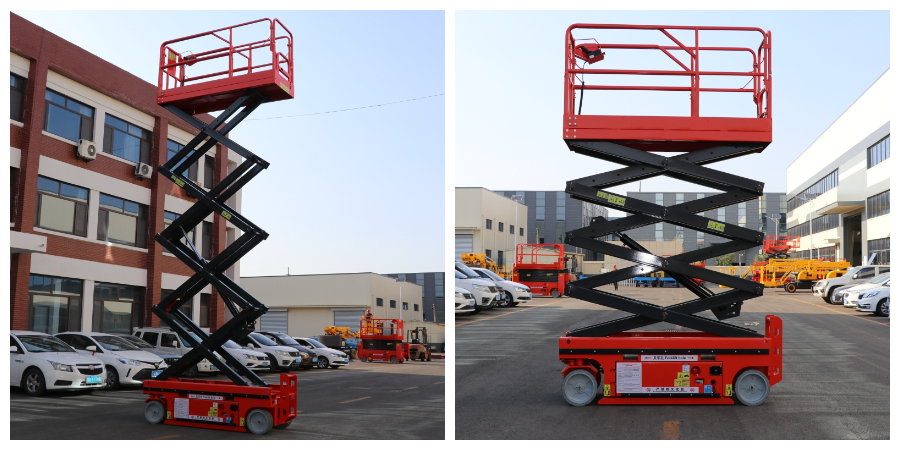
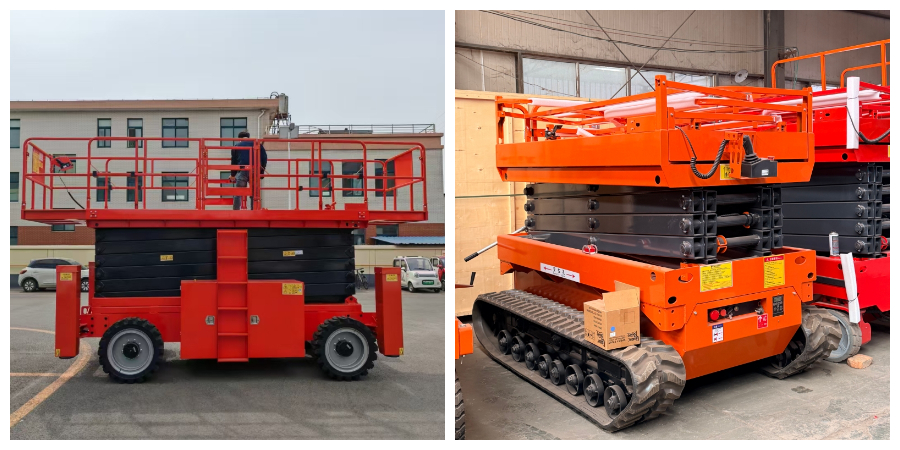
Your working environment dictates the power system and chassis of electric scissor lifts and hydraulic lift tables. Fully electric scissor lifts produce zero exhaust, operate quietly and are fitted with non-marking solid tires. Ideal for enclosed indoor sites including epoxy floor warehouses, shopping malls, pharmaceutical plants and cold storage. One full charge supports 6–8 hours of continuous operation, complying with global indoor environmental regulations.
Diesel hybrid rough-terrain scissor lifts feature 4WD deep-tread tires and high ground clearance, suitable for unpaved outdoor sites such as muddy construction sites and gravel lots. Stationary hydraulic lift tables have no travel chassis and are installed in ground pits, dedicated to fixed cargo lifting on factory assembly lines with superior load stability.
Many buyers mix up indoor and outdoor models: rough-terrain tires scratch indoor epoxy floors, while non-waterproof electric indoor units suffer short circuits when exposed to outdoor moisture.
2.3 Core Hardware Quality: Steel Structure & Hydraulic System Determine Service Life
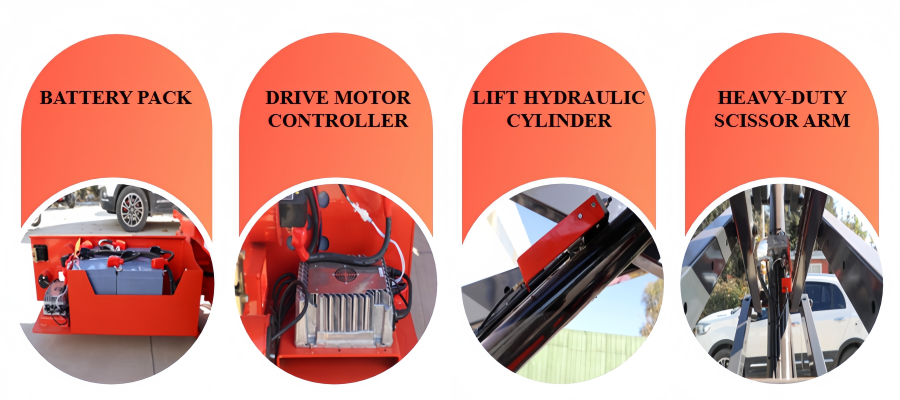
The durability of a scissor lift hinges on two core components: manganese steel scissor arms and hydraulic assemblies, which also separate premium electric scissor lifts and hydraulic tables from low-end alternatives.
Export-standard units adopt Q345 high-strength manganese steel profiles welded by automatic robotic arms. All load-bearing welds pass non-destructive testing. The whole machine undergoes sandblasting + multi-layer electrostatic plastic spraying for anti-corrosion protection, resisting rust for 8 years of outdoor use. Low-cost lifts use thin iron sheet and ordinary carbon steel without weld inspection, bending and deforming within 1–2 years under heavy loads.
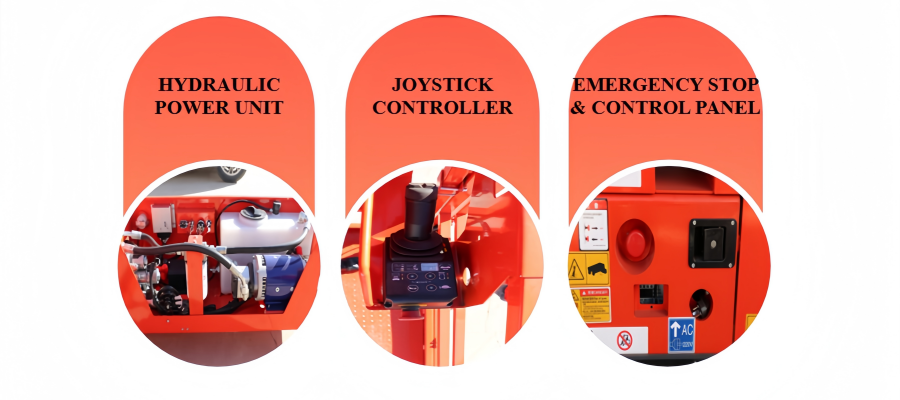
Premium hydraulic power units are equipped with honed cylinders and imported seals, delivering smooth, stable lifting without oil leakage, shaking or pressure loss. Inferior hydraulic parts lead to unstable pressure, jerky lifting and frequent oil spills, drastically increasing maintenance expenses.
Certified electric scissor lifts come with full standard safety kits: anti-slip textured platforms, heavy-duty safety guardrails, emergency stop buttons, power-failure lowering, tilt alarms and automatic overload shutdown — mandatory for exports to EU and North America.
2.4 Compliance Certifications & Customization: Meet Customs Standards of Target Countries
Certifications are non-negotiable for overseas procurement. Scissor lifts sold to the EU must hold CE safety certificates, while North American units need to comply with OSHA and ANSI standards. Equipment without required certifications will be detained at customs and banned from factory operation.
Electric scissor lifts and hydraulic tables support customized modifications for special working conditions: narrow aisle compact bodies, explosion-proof electrical systems, cold-storage anti-corrosion treatment, widened heavy-load platforms and remote intelligent fault self-check systems. Standard models only fit general warehouses; forced use on special projects drastically reduces work efficiency.
3. Three Major Global Scissor Lift Procurement Trends in 2026
First, full electrification becomes mainstream. Tightening global environmental regulations phase out fuel-powered lifts in favor of zero-emission electric scissor lifts. Dual-purpose indoor & outdoor electric hydraulic tables see surging orders, the top bulk purchase choice for rental companies and manufacturing plants.
Second, intelligent configurations are widely adopted. New-generation scissor lifts integrate fault self-diagnosis, remote data monitoring and automatic leveling systems to lower operation barriers and cut downtime for maintenance. Mid-to-high-end overseas buyers prioritize intelligent models.
Third, customized demand keeps rising. Purchases of customized units for narrow aisles, explosion-proof environments, low-temperature workshops and ultra-heavy loads grow year over year. Buyers no longer only compare prices of standard machines, but prioritize precise matching between equipment, site conditions and production processes.
Chinese original manufacturers hold prominent export advantages. Complete industrial chains for steel and hydraulic parts cut production costs, offering electric scissor lifts and hydraulic tables with better cost performance than European and American local brands at equal quality. China’s scissor lift export volume rose 14.2% year-on-year in 2025, making it the primary procurement hub for global B2B buyers.
4. Simplified Manufacturing Process of Scissor Lifts
Production of one export-qualified scissor lift or hydraulic lift table includes five core procedures. The first step is raw material processing: CNC cutting of Q345 manganese steel, bending to form scissor arms, platforms and support frames. Second comes automatic welding: robotic welding of load-bearing seams, manual touch-up for edges, and all welds pass non-destructive testing to eliminate cracks and incomplete welds.
Third is anti-corrosion treatment, with three-layer protection including sandblasting rust removal, phosphating and electrostatic plastic spraying; hot-dip galvanizing upgrade is available for high-salt coastal areas. Fourth is assembly: install hydraulic power units, cylinders, electrical control systems, travel tires and safety guardrails, followed by hydraulic and circuit debugging.
The last step is factory inspection, including multiple rounds of testing such as no-load lifting, 120% full-load overload, tilt alarm and power-failure lowering. Products pass all tests before packaging and shipment. Small workshops skip weld inspection and full-load testing, only carrying out basic welding and painting. Their equipment carries severe safety risks and is unsuitable for long-term foreign trade procurement.
5. Frequently Asked Procurement Questions from Overseas Buyers
Q1: Should I choose stationary hydraulic lift tables or self-propelled electric scissor lifts for indoor warehouse cargo lifting?
For fixed workstations with no mobility requirements, stationary hydraulic lift tables are recommended — pit-mounted for stronger load capacity and lower upfront cost. If you need frequent transfer between multiple racks and work zones, self-propelled electric scissor lifts are ideal, with no installation required and flexible narrow-aisle travel.
Q2: Is checking load capacity and lifting height enough when buying scissor lifts?
Far from enough. Beyond basic parameters, you must verify manganese steel plate thickness, hydraulic seal quality, complete safety protection kits, compliance certifications for your target market and chassis compatibility with your site. Missing any of these will create long-term operational risks.
Q3: What documents are mandatory when purchasing electric scissor lifts exported to Europe?
You must prepare full-machine CE safety certificates, factory full-load test reports, steel weld inspection reports and English user manuals. Customs and local factory safety authorities will inspect these documents, and uncertified goods will be detained.
6. Conclusion & Procurement CTA for Professional Buyers
In summary, never base scissor lift selection purely on price. Verify four core criteria in sequence: safety margins for load & height, power/chassis site compatibility, steel & hydraulic core quality, and international compliance certifications. Distinguish applicable scenarios for standard scissor lifts, self-propelled electric scissor lifts and hydraulic lift tables, and verify the manufacturer’s full production & inspection procedures. This helps you avoid selection pitfalls, guarantee aerial work safety and cut long-term equipment maintenance costs.
We are an original manufacturer of lifting equipment, supplying a full range of self-propelled electric scissor lifts and stationary hydraulic lift tables with lifting heights from 6m to 16m and load capacities of 300kg–1000kg. Customization services are available for explosion-proof, narrow-aisle, low-temperature and widened-platform models. All units pass multi-stage safety testing before delivery and carry CE international safety certifications, meeting procurement standards for warehouses, infrastructure projects and manufacturing plants worldwide.
If you are unsure which scissor lift fits your project, share your site dimensions, required lifting height, load capacity and target export country. Contact us anytime for one-on-one professional selection plans, complete product specifications and accurate foreign trade quotations, making your aerial lifting operations safer, more efficient and hassle-free!